

June Native News Roundup
Tribes didn’t ask for permission this month. They sued the federal government, reclaimed ancestral land, and protected sacred sites. Here’s what happened in Indian Country.

June was a big month for Native news. From border wall lawsuits to Land Back wins, tribes continue to protect our homelands, our religious freedom, and our futures. Below is a roundup of the biggest stories you need to know.
The Ongoing Fight for Tribal Sovereignty
The Tohono O’odham Nation is suing the Department of Homeland Security to stop border wall construction on their sovereign lands. DHS notified them of plans to build on 62 miles of reservation land—without consent. The wall will separate families, desecrate sacred sites, and harm the environment. Meanwhile, DHS cites its “commitment to tribal sovereignty.”
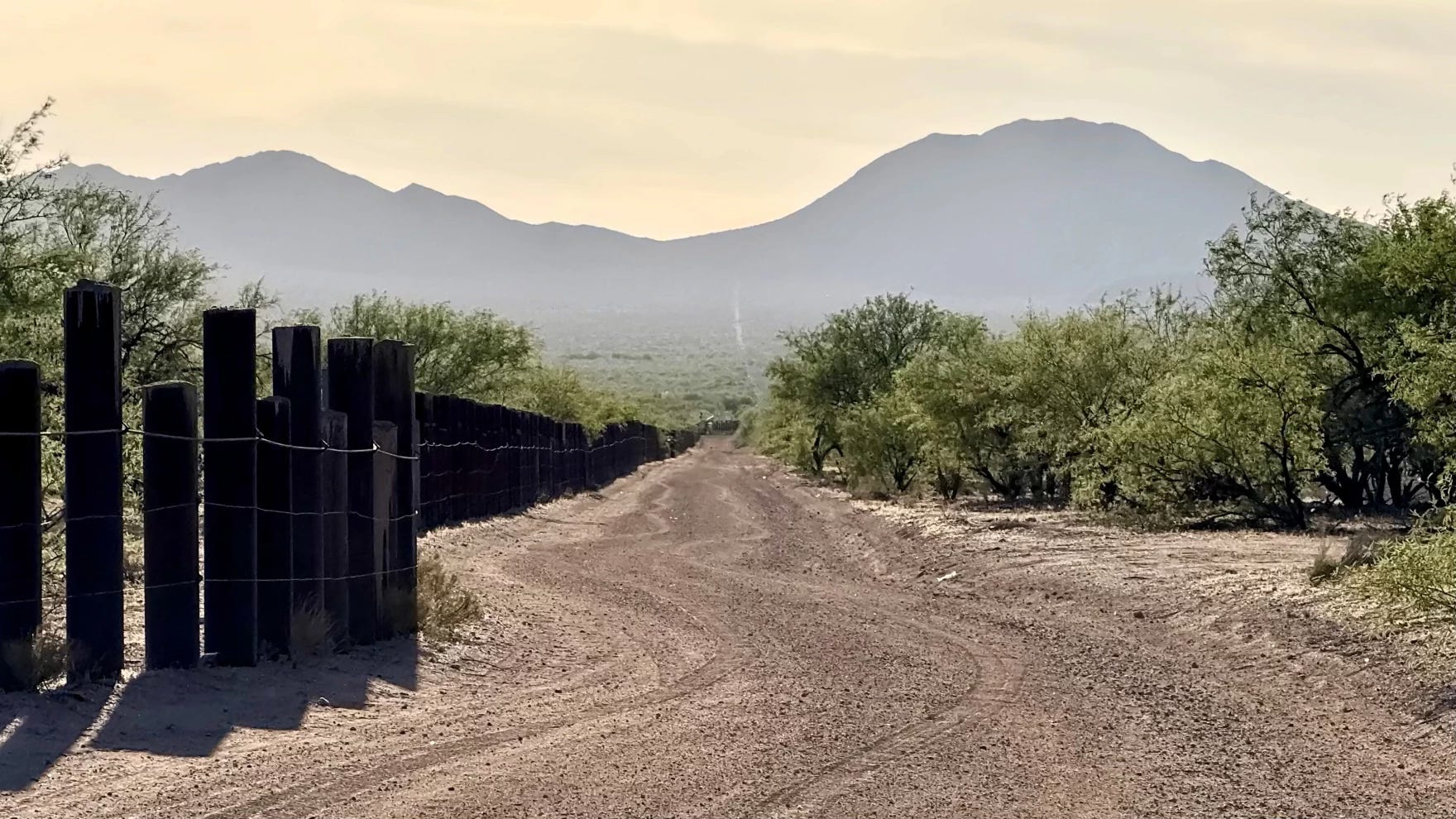
Photo by Gabriel Pietrorazio
In Oklahoma, the state Supreme Court rejected a settlement agreement between the City of Tulsa and Muscogee Nation that would have upheld the 2020 McGirt Supreme Court victory and the tribe’s criminal jurisdiction on their reservation. Governor Stitt continues to fight the ruling in any way he can. Both Tulsa’s mayor and Muscogee’s chief say they’ll keep working together despite the ruling, calling Stitt’s opposition “baffling and shameful.”
But there’s progress too: Oregon Gov. Tina Kotek approved the first request to return civil jurisdiction to an Oregon tribe. Here’s why this matters: In 1953, Congress stripped most Oregon tribes of civil jurisdiction without their consent as part of a broader assimilation effort. For 73 years, state courts handled tribal civil cases like divorces and child custody. Now, the Confederated Tribes of the Umatilla Indian Reservation are reclaiming that power. As Gov. Kotek put it: This “restores the Tribe’s independent power to administer justice” on their own terms.
And across South Dakota, all nine tribes have unified in calling on Congress to return public, federal lands in the Black Hills to tribes there. The Black Hills were protected by treaties, but illegally seized by the United States. The Supreme Court recognized in 1980 that the Black Hills were stolen. But instead of offering land back, the Court offered the tribes a settlement. The tribes have never accepted the money.
Religious Freedom + Cultural Protection
The Navajo Nation is in a drought–and it’s getting worse. This month, President Buu Nygren signed an emergency declaration as water sources continue to shrink. The first few months of 2026 were the hottest on record in Arizona. The declaration unlocks $6.5 million for windmill repairs and water infrastructure, but the need is far greater.
Environmental groups just sued to stop 400 acres of logging in Washington’s Elwha Watershed.
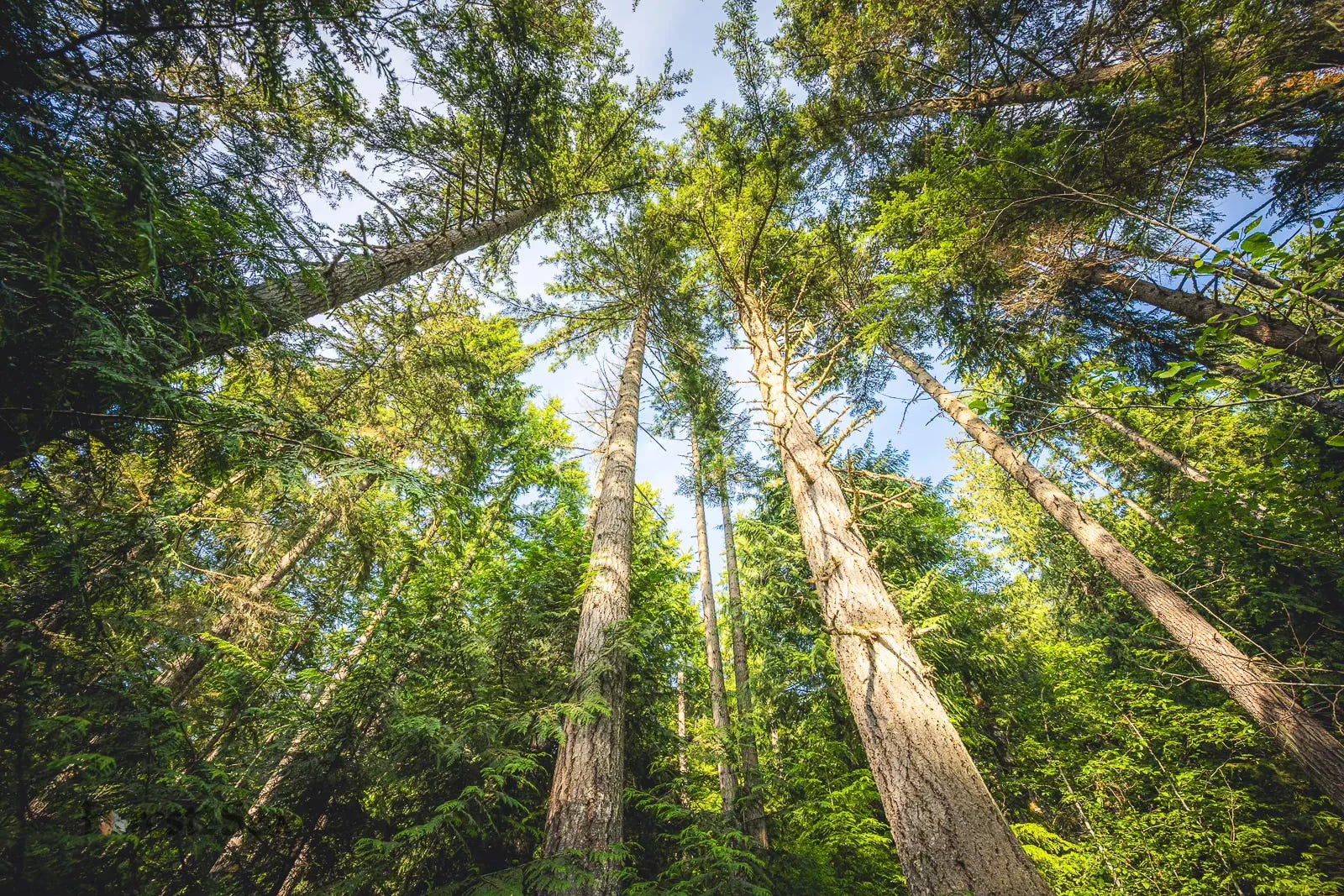
Photo courtesy of Scott McGee/Elwha Legacy Forests Coalition
The Lower Elwha Klallam Tribe fought for decades to restore this river—winning one of the largest dam removal projects in U.S. history. Now state-approved logging threatens 140-year-old trees tribal members need for cedar gathering and cultural practices. It’s a bitter irony: after winning back their river, the tribe now has to fight to protect the forest around it.
After years of litigation, the federal government will pay North Dakota $27.8M for costs incurred during Standing Rock. This settlement ends years of litigation over who would fit the bill for the large-scale police response to one of the largest Indigenous-led protest movements in U.S. history. Water protectors faced militarized police, dogs, and water cannons in 2016—now taxpayers are footing the bill for the police response.
Land Back!
The Shawnee Tribe acquired two properties in their ancestral homelands in Ohio. One of the sites is a sacred effigy mound dating back millennia. The Shawnee were forcibly removed from Ohio in the 1800s—first to Missouri, then Kansas, and finally Oklahoma. For the mound site, the Shawnee are seeking World Heritage status to protect the site for future generations and recognize its global cultural significance.
First America out now!
My new podcast, FIRST AMERICA, is out now!
As our country gets ready to celebrate its 250th birthday, First America pushes back against the whitewashed version of the founding and the erasure of Native people from U.S. history. Without us, the American story is wrong. From the chief complaint in the Declaration of Independence, to the real reasons the founders rebelled, to what kind of government they built, First America tells the true story of the founding of the United States. And how our current political moment is 250 years in the making. Listen wherever you get your podcasts.
Connect with me!
On June 23, I joined Nick Estes on Red Nation Media to discuss my new podcast, First America. We talked about how Native people have been left out of the story of America—and why that matters. We also discussed St. Clair’s defeat, the Boston Tea Party, and what happens when a democracy never reckons with genocide.
Watch the full conversation.
And here’s something you need to know: To justify his actions, Trump keeps leaning on federal Indian law and precedent set by what our government did to Native Americans. Including in the new Jan 6th fund. I sat down with Maggie Blackhawk on NPR’s Code Switch to connect the dots.
With the 250th anniversary of the Declaration of Independence approaching, Amy Goodman from Democracy Now! asked me what’s missing from the conventional story of the American Revolution. Watch the full interview.
On CNN’s “First of All with Victor Blackwell,” I broke down the racial slur in the Declaration of Independence and what it means for Native people.
The U.S. is celebrating its 250th birthday this summer, but Native people are often left out of America’s founding narrative. Does uncovering that history change how we think of the country? Amory Siverston and I explored these questions on On Point.
On Saturday, August 1, I’ll be in conversation with author Barbara Kingsolver at the Post Oak Lodge. If you’re in the area, I’d love to meet you.
This year’s exhibition, States of Erosion: Reclaiming and Reshaping, opens at the IAIA Museum of Contemporary Native Arts. As we approach America 250, the show offers a critical reflection on land, sovereignty, and historical memory through Indigenous perspectives. Catch me in conversation on Sunday, August 16.
Let me know in the comments what other topics and content you want me to cover!
What I’m reading:
Dina Gilio-Whitaker has a great book out– Who Gets to Be Indian?: Ethnic Fraud, Disenrollment, and Other Difficult Conversations About Native American Identity.
I sat down with Dina and will be releasing my interview with her next month, so stay tuned.
Support Native America!
If you like what you’re reading, please consider becoming a paid subscriber. For as little as $2 a month you can support my writing. Another great way to support this newsletter is to share it!
Halito, Podcasts are okay but I think what is written matters more in that it is more difficult to erase. Will you please provide transcripts? Yakoke.
The new podcast is phenomenal!